The Animal Project
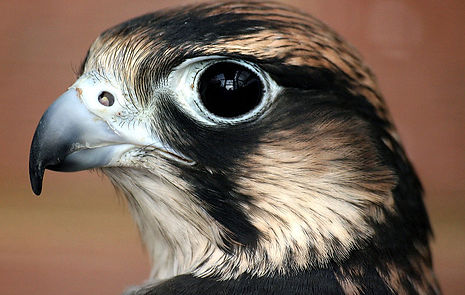
The Peregrine falcon is one of the world’s most admired animal not just bird. However do not let that fool you. This sophisticated predator, which is on average 36-48 cm tall, can hunt: the Feral pigeon, woodpigeon, lapwing, skylark, black-headed gull and even the blackbird. However the most common prey for this ambush predator is: small mammals like the Hare or Rabbit. These awesome predators are also scientifically known as Falcon peregrines and have influenced designs of jets as it glides perfectly through the air allowing it to creep up on prey earning a meal.
This solitary, hunter is swift, agile through the air and holds the prestigious record for the world's fastest animal, which crushes the Cheetahs record of 70 mph by 130 mph reaching speeds of over 200 mph. It is a great honour that the UK has such a prestigious and successful predator. This animal is a least concerned species of birds as without a doubt a top predator.
However, many things affect the Peregrine. Pollution is the main factor which affects the Peregrine and in general birds. Many different types of pollution affect the Peregrine. The birds that communicate at lower frequencies are unable to communicate due to noise pollution which affects their ability to attract a mate and even socialize with birds in their particular habitat.
Approximately, 500,000 birds are killed annually due to oil spills. So if a Peregrine was to hunt for prey along the coast of America it could risk injury or death.
Light pollution is also another crucial factor as birds and the Peregrine use the stars in the sky as natures GPS which help judge the route for the next coming days, when the lamppost lights interfere with their view, birds can become confused. This may be costly, as it can change the migration paths of birds making harder for animals to live. This may cause adaptation. This also can cause birds to have head on collisions with tall, buildings killing or injuring many. This is due to the city lights blinding them.
Air pollution is a very, vital factor as the poor air quality due to smog and noxious gases can have a terrible, horrifying effect on birds and statistics show over 2 million birds every year die because of air pollution.
Adaptation mainly on food has changed for the Peregrine falcon as human gardening attract many different types of small creatures such as worms for mainly, unable to fly new born offspring of these falcons and even small insects can make a small snack for these birds as their diets are extremely varied.
Peregrine Falcon